 filafoxllp@gmail.com

PETG Pallet ₹ 1526/-
Filafox products are addressed both for makers who wants to create the filament for its 3D prints at home, and for research and experimentation in the academic or industrial field. Our system, indeed, is able to extrude many materials: from the most common polymers ABS, PLA and PETG to innovative or less known ones.
In this section you can find a list of some materials successfully tested with Filafox System. Please note that this are initial settings that may change according to your specific materials.
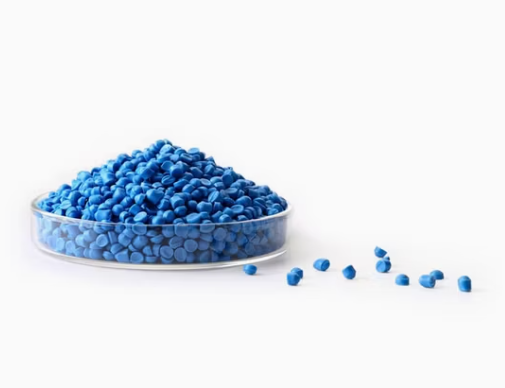
ABS (Acrylonitrile Butadiene Styrene)
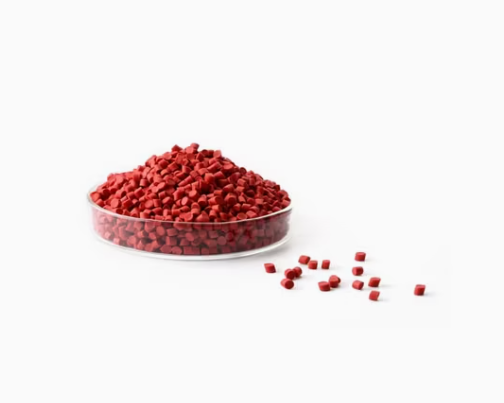
PLA (Polylactic Acid)
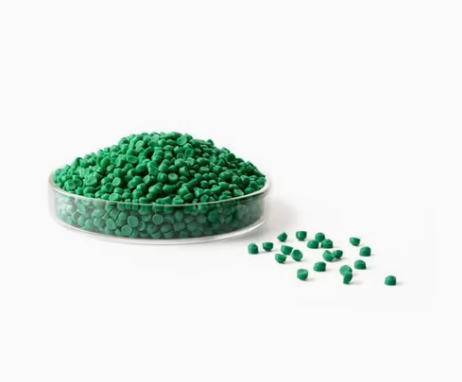
PETG (Polyethylene Terephthalate Glycol)
Is one of the most popular materials used in desktop 3D printing. It can be printed at low temperature and does not require a heated bed. Derived from crops such as corn and sugarcane, PLA is renewable and most importantly biodegradable.
Is one of the most popular materials used in desktop 3D printing. It can be printed at low temperature and does not require a heated bed. Derived from crops such as corn and sugarcane, PLA is renewable and most importantly biodegradable.
| Temperature | - | 180°C - 210°C |
| Rpm | - | 6 |
| Motor duty | - | 0,7 A |
| Drying needed | - | Yes |
It is great to print tough and durable parts that can withstand high temperatures. ABS is known for its toughness and impact resistance, allowing you to print durable parts that will hold up to extra usage and wear.
| Temperature | - | 200 - 215°C |
| Rpm | - | 9 |
| Motor duty | - | 0,6 A |
| Drying needed | - | Yes |
It is a dissolvable support material that is commonly used with ABS. Furthermore, HIPS can be dissolved in d-Limonene, leaving your print free of any markings caused by support removal.
| Temperature | - | 200°C |
| Rpm | - | 9 |
| Motor duty | - | 0,6 A |
| Drying needed | - | No |
It is a blend of PC and ABS providing unique combination of the high processability of ABS with the excellent mechanical properties, impact and heat resistance of PC. It has excellent low temperature toughness.
| Temperature | - | 190°C |
| Rpm | - | 9 |
| Motor duty | - | 0,6 A |
| Drying needed | - | No |
Flexible filaments are made of Thermoplastic Elastomers which are a blend of hard plastic and rubber. Known for its elasticity allowing the material to easily stretch and bend. This material is elastic in nature allowing the plastic to be stretched and flexed easily.
| Temperature | - | 205°C |
| Rpm | - | 8 |
| Motor duty | - | 0,6 A |
| Drying needed | - | No |
HDPE is used in the production of plastic bottles caps, corrosion-resistant piping, geomembranes, and plastic lumber. HDPE is commonly recycled and resists to many different solvents and has a wide variety of applications.
| Temperature | - | 200°C |
| Rpm | - | 9 |
| Motor duty | - | 0,5 A |
| Drying needed | - | No |
PET and PETG filaments are very easy to print, they have a smooth surface finish, and are water resistance. It had great thermal characteristics, allowing the plastic to cool efficiently with almost negligible warpage.
| Temperature | - | 195-210°C |
| Rpm | - | 7 |
| Motor duty | - | 0,8 A |
| Drying needed | - | Yes |
It is a popular material in the plastics industry known for its toughness and flexibility. Nylon is a tough and semi-flexible material that offers high impact and abrasion resistance. Typically, nylon filaments requires extruder temperatures near 250 ºC.
| Temperature | - | 240°C |
| Rpm | - | 9 |
| Motor duty | - | 0,7 A |
| Drying needed | - | Yes |
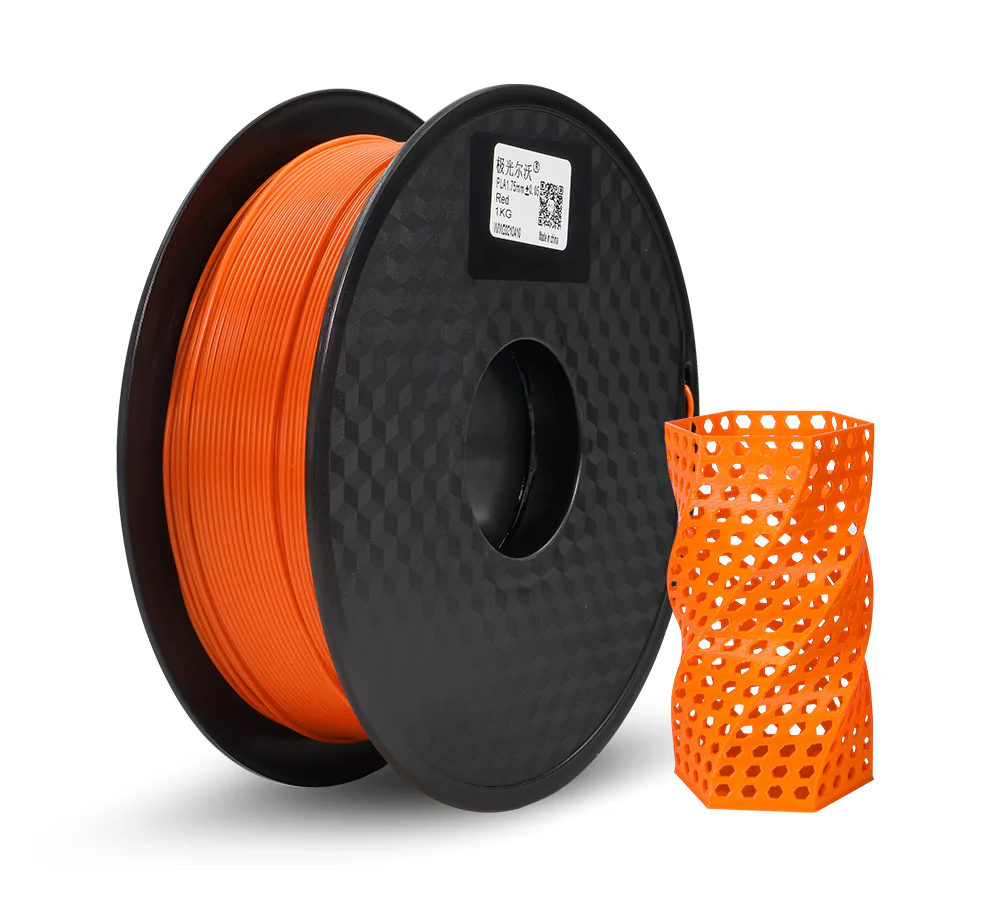
We had fun extruding some coffee filament, or carbon filament. In other cases we collaborated to experimental projects in order to obtain a full circular economy, like when we used mussels shells discarded from industrial production.
These are easy projects to make at home!
Otherwise Filafox system is used in more complex fields, as medical or research; even more, it can be personalized in order to extrude in particular conditions, as made from the KTH Royal Institute of Technology which extruded in inerte atmosphere.
In all those situation Filafox System turn out to be better than an industrial extruder thanks to its small dimension ad affordable price, allows to make some experiment and tests with a low quantity of materials giving great costs and time advantages.


